FLUX.2-based Image Identity Consistency Enhancement
Developed during an algorithm internship with the face team at Meitu MT-Lab, this project addresses identity drift in AIGC portrait editing. The module takes an edited portrait and a user reference image as inputs, then refines identity while retaining the intended edit.
I built the data pipeline for face detection, identity clustering, mask generation, canonical alignment, reference matching, and quality filtering. I also designed joint perceptual, identity, and contour objectives for multi-step FLUX.2 LoRA training and developed evaluation tools for identity similarity, facial contour change, and denoising trajectories.
The resulting model improved reference identity similarity across internal test sets and was deployed in the telephoto portrait feature of AI Camera.
Qualitative Results
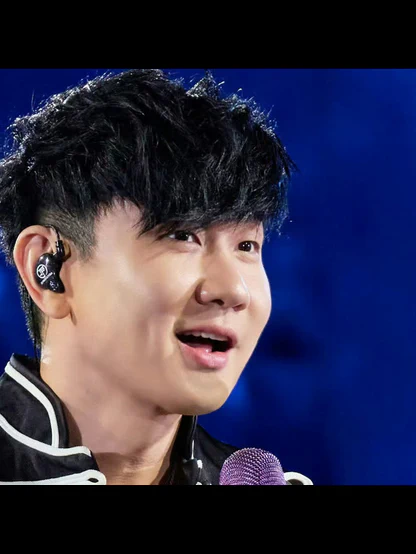
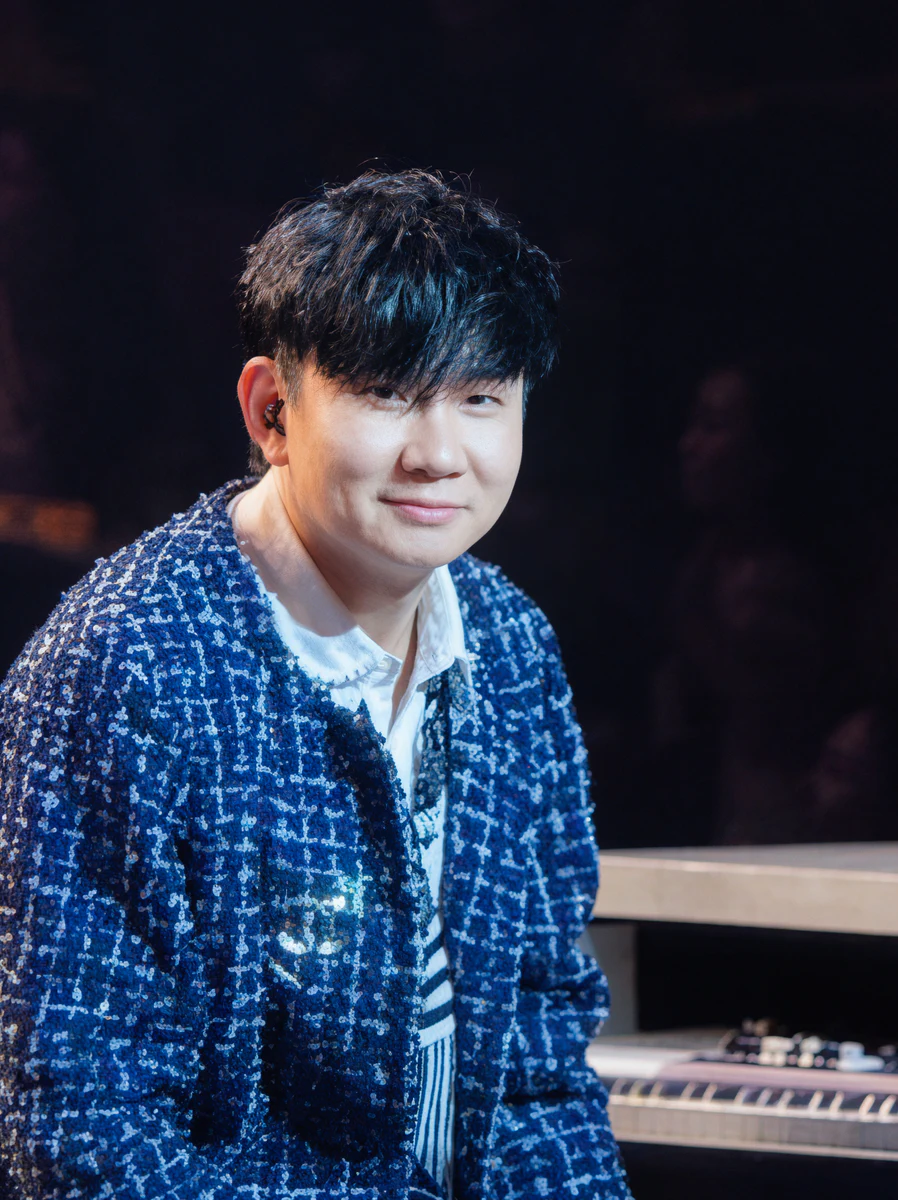
Frontal Face Reshaping × JJ Lin
Identity Similarity +0.186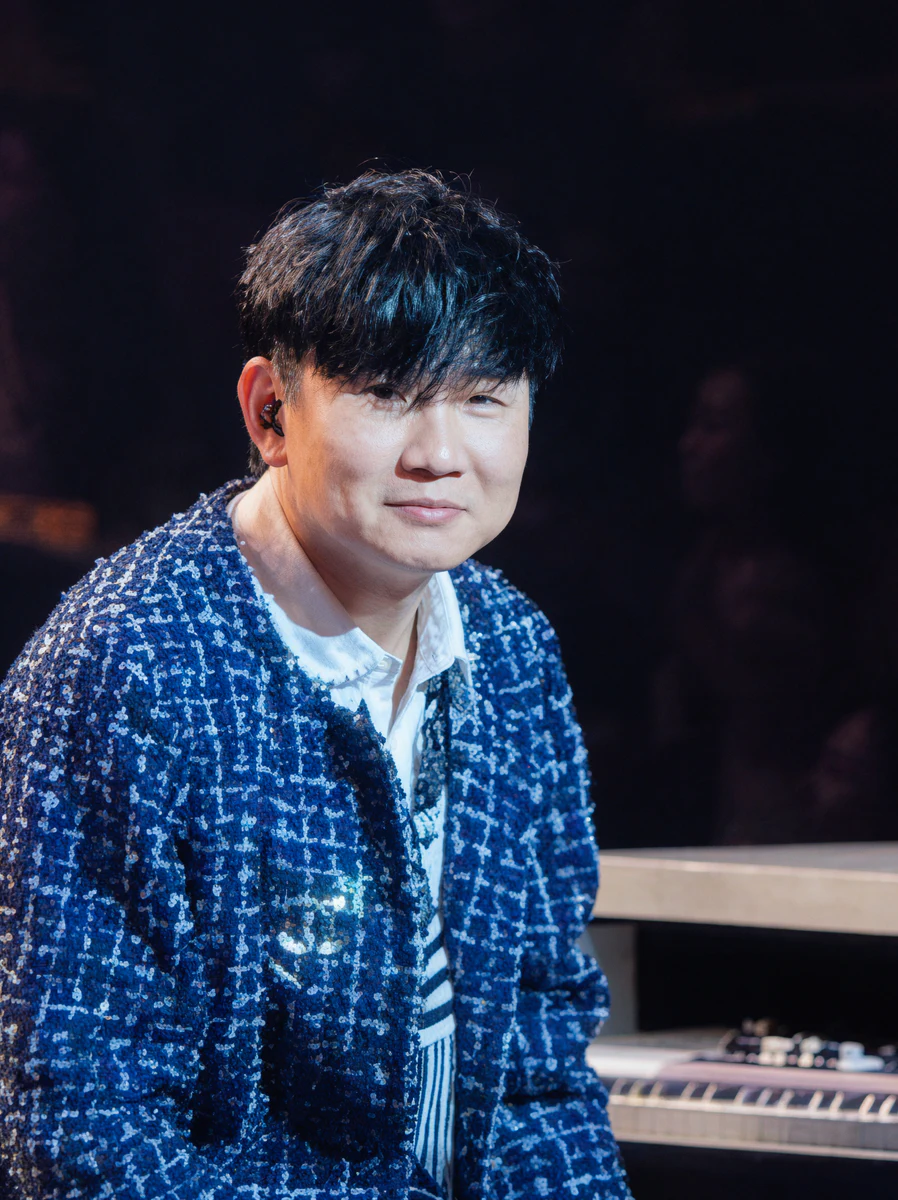
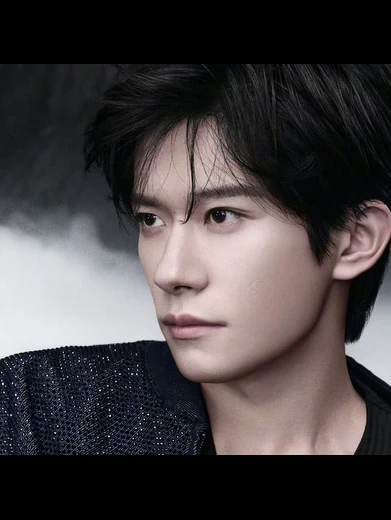
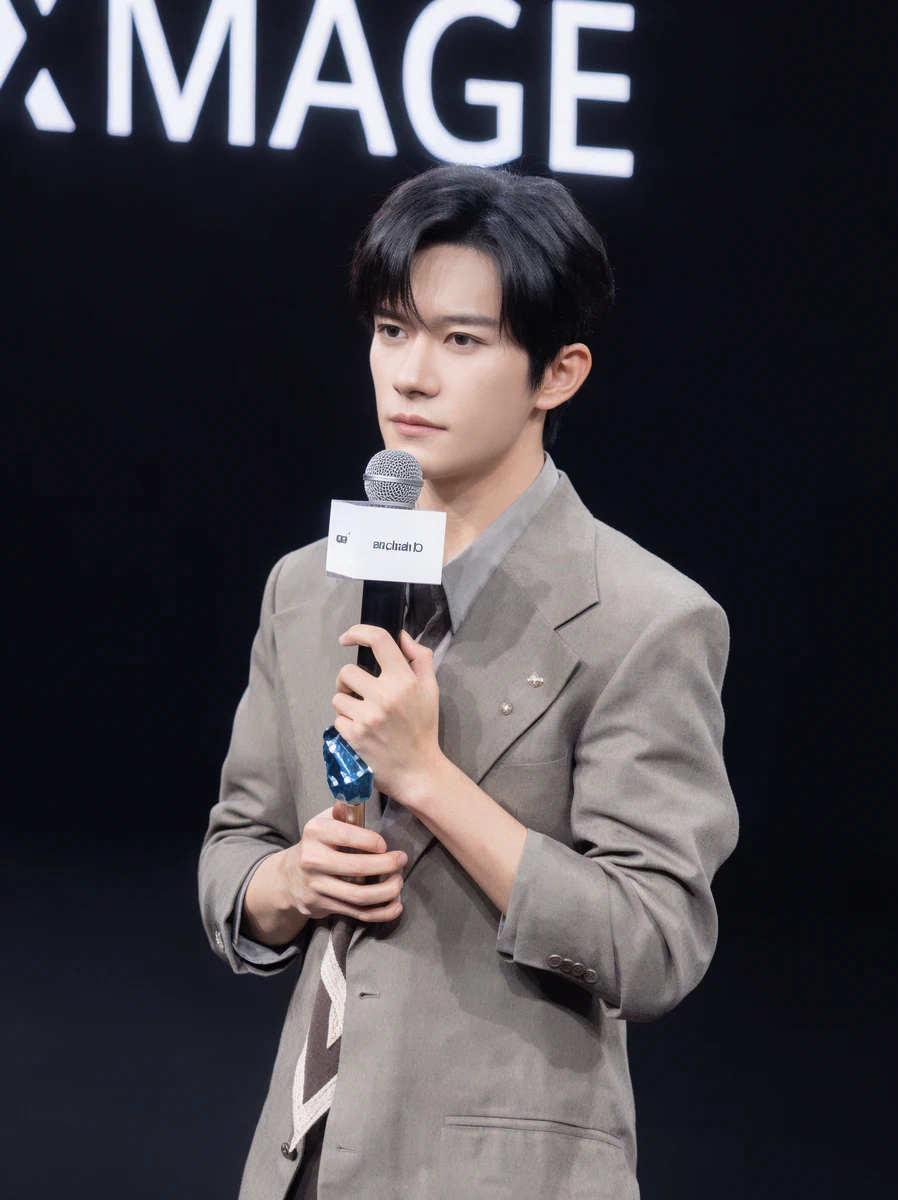
Half-Profile Face Reshaping × Jackson Yee
Identity Similarity +0.298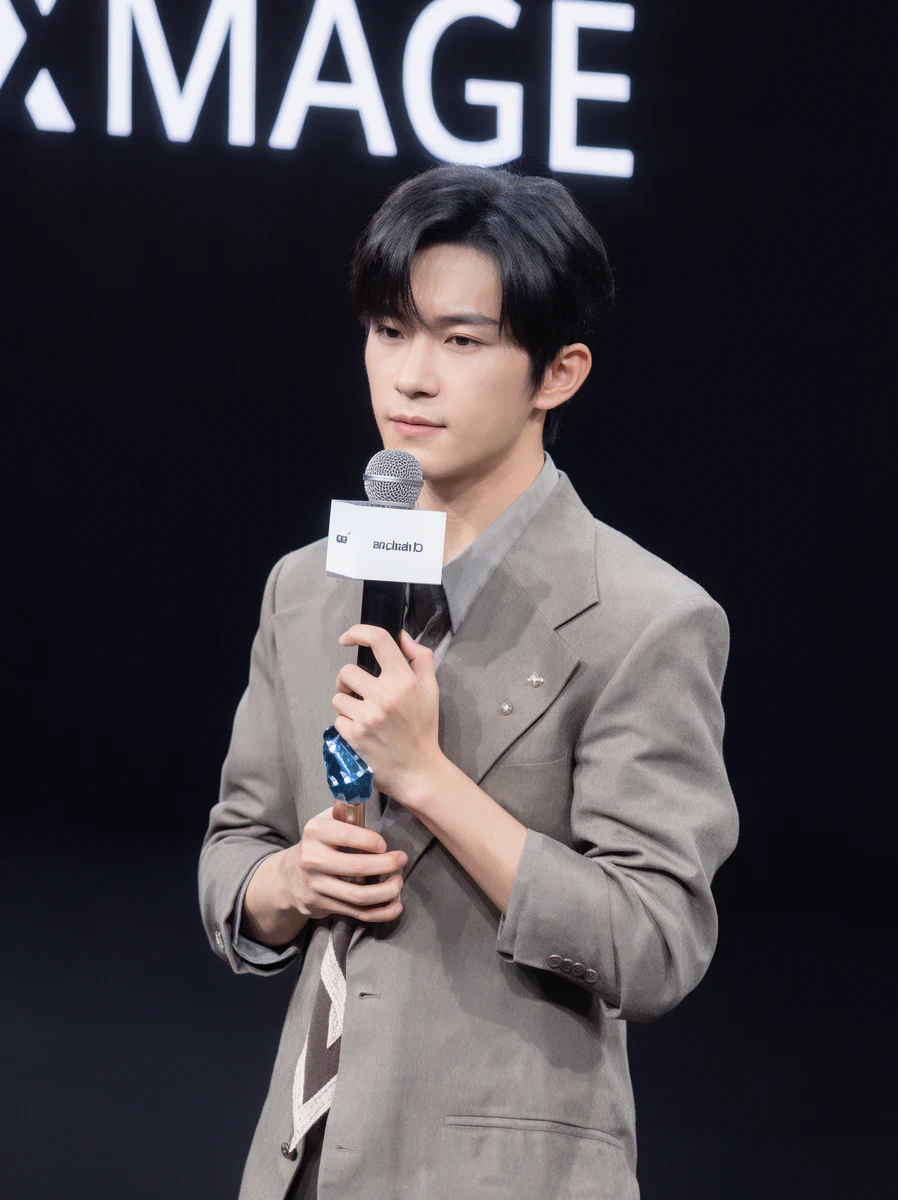
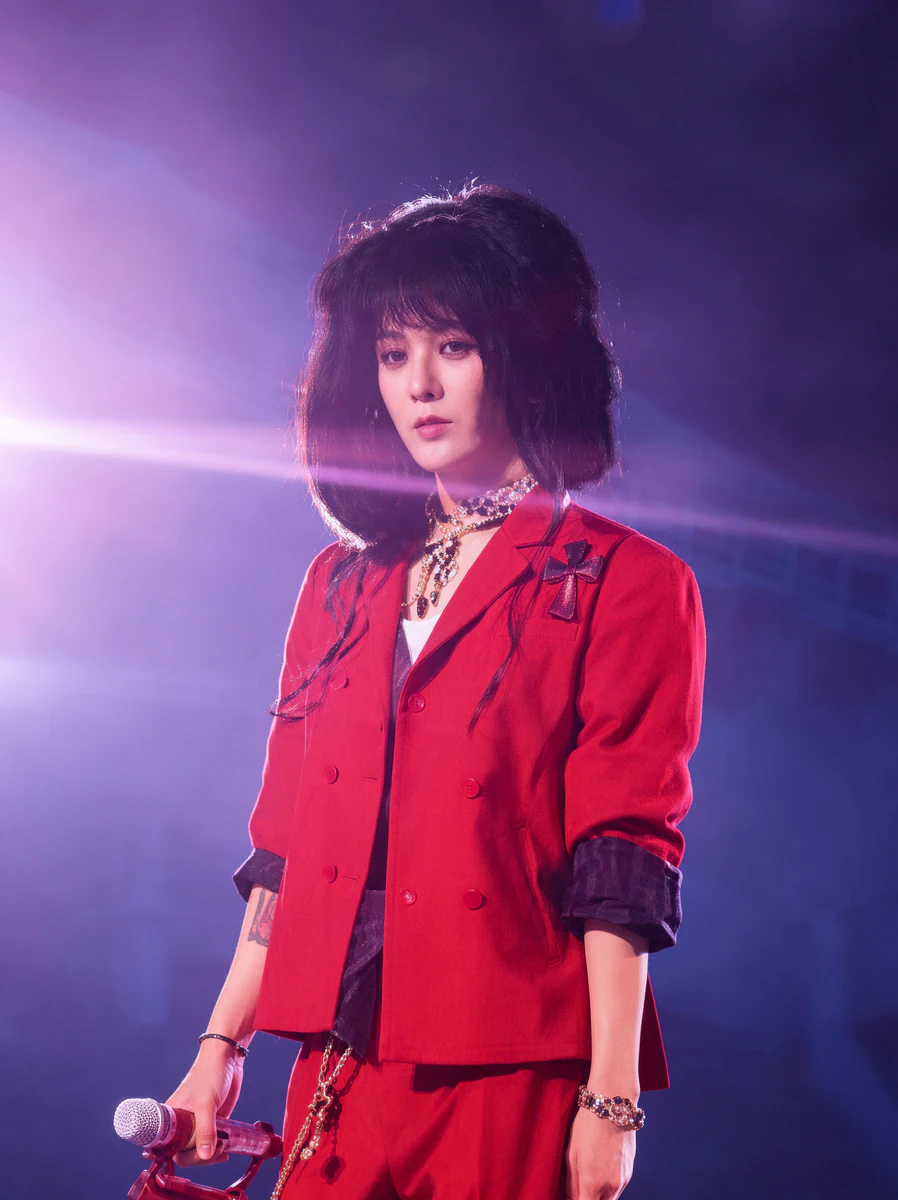
Strong Stage Lighting × G-Dragon
Identity Similarity +0.389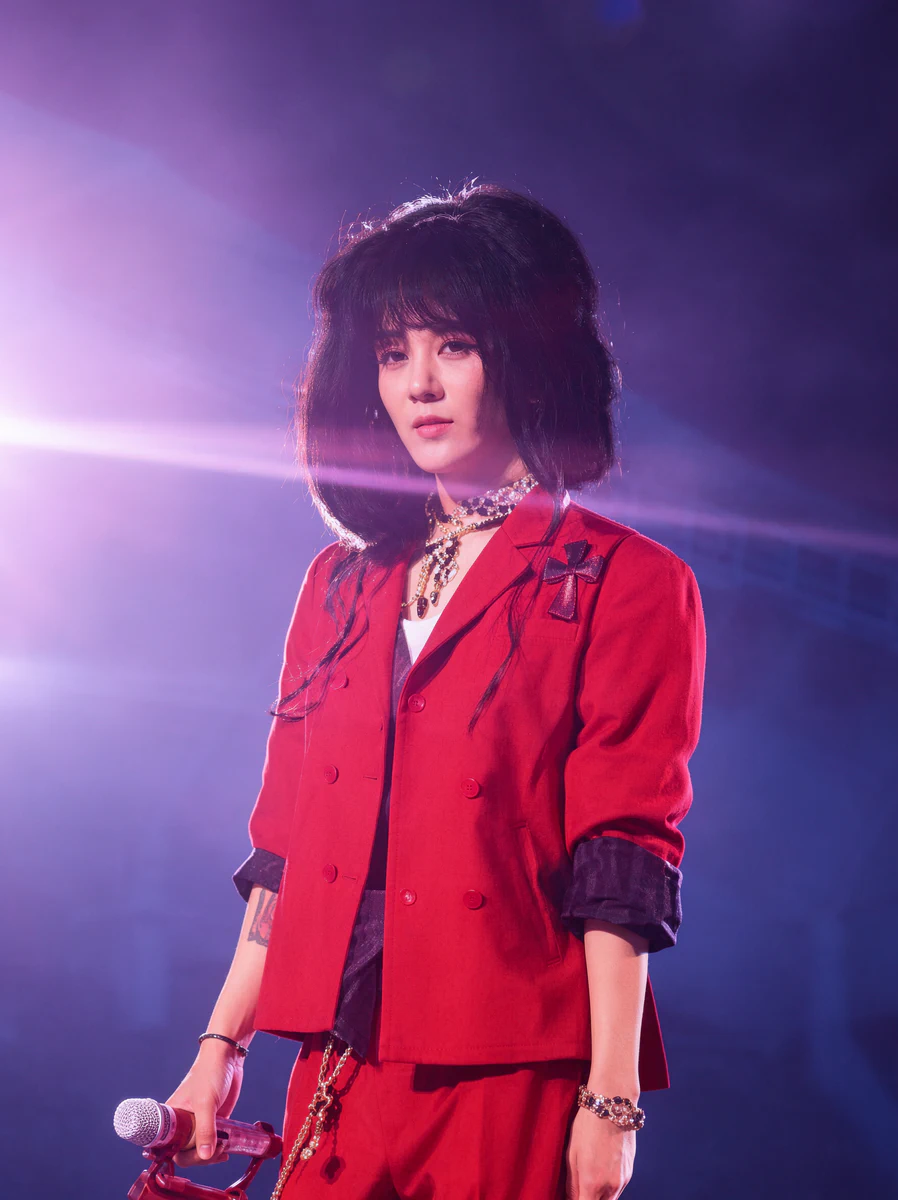

Overall Evaluation
Identity similarity improves consistently across all three test sets, while pose changes and non-face-region differences remain limited.